The Ultimate Guide to Metal Siding: Pros, Cons and Choosing the Right Profile for Your Project
Metal siding has come a long way from its agricultural roots. While traditional ribbed panels remain a practical choice for barns and utility buildings, today’s metal siding options have advanced to include a variety of panels suited for modern finishes for both commercial and residential projects.
With more colors, textures and profiles available than ever before, it’s no surprise that homeowners and contractors are increasingly turning to metal siding. But is metal siding the right choice for every project?
In this blog post, we’ll explore the pros, cons, and options for metal siding and answer some of the common questions homeowners have when considering using metal siding on their house or shop.
Table of Contents
Is Metal Siding a Good Idea?
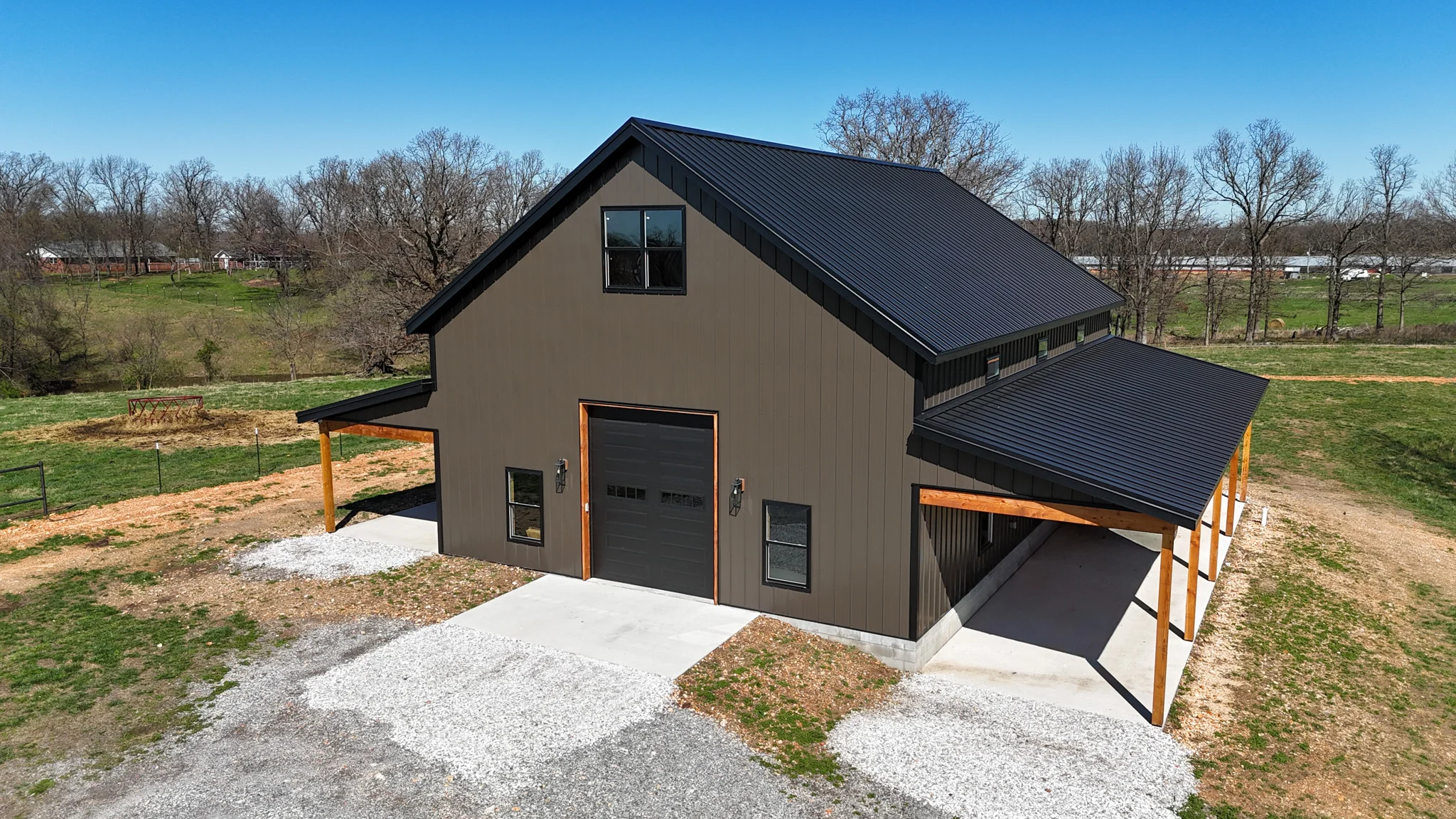
Contractors, builders and homeowners are increasingly turning to metal siding to complete or complement their build, and for good reasons.
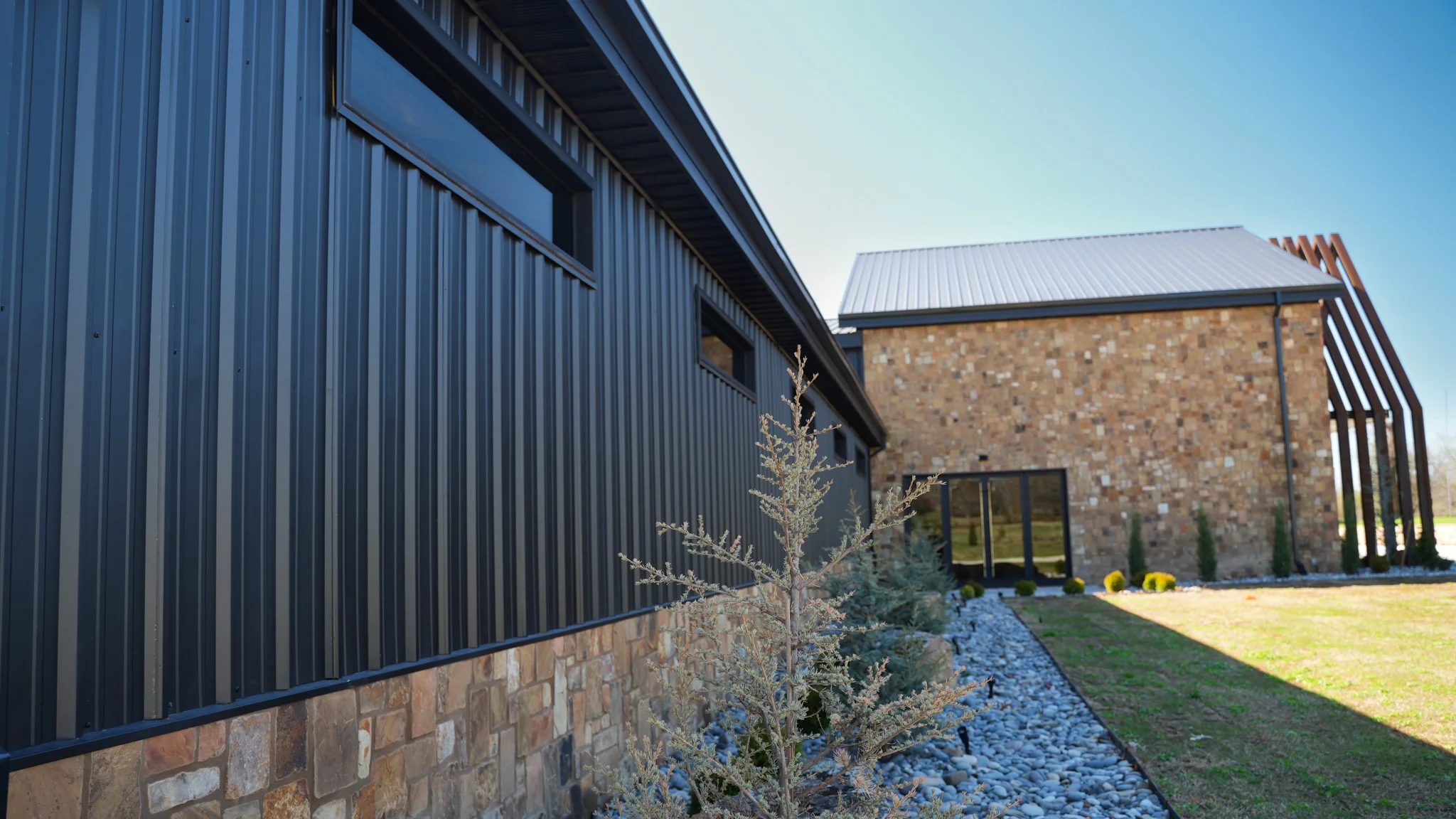
Metal siding offers exceptional durability in comparison to other sidings like vinyl and wood. It comes with minimal maintenance requirements and design flexibility that wasn’t widely available even a decade ago. From modern farmhouse styles to sleek, contemporary looks, today’s metal panels can complement a wide range of architectural aesthetics.
However, metal siding isn’t a one-size-fits-all solution. Like any building material, its long-term performance depends on choosing the right profile, preparing the structure correctly and ensuring proper installation.
If longevity, low maintenance, and a modern curb appeal rank high on your list of priorities, metal siding deserves serious consideration.
The Pros of Metal Siding
Here are some of the advantages of metal siding compared to other siding types.
Durability That Lasts
One of the biggest advantages of metal siding is its lifespan. Unlike wood products or vinyl siding, steel won’t rot, warp or become susceptible to insect damage. Properly installed metal siding can provide decades of dependable performance while maintaining its appearance. Both builders and homeowners find that durability alone makes the investment worthwhile.
Low Maintenance Requirements
Compared to wood siding – or alternative options like vinyl, fiber cement, and engineered wood – metal siding requires very little upkeep. Most installations need little more than the occasional cleaning a garden hose can accomplish. There are no routine refinishing schedules to follow and no repainting requirements. For projects requiring an appealing exterior without constant attention, this can be a major advantage.
Design Versatility
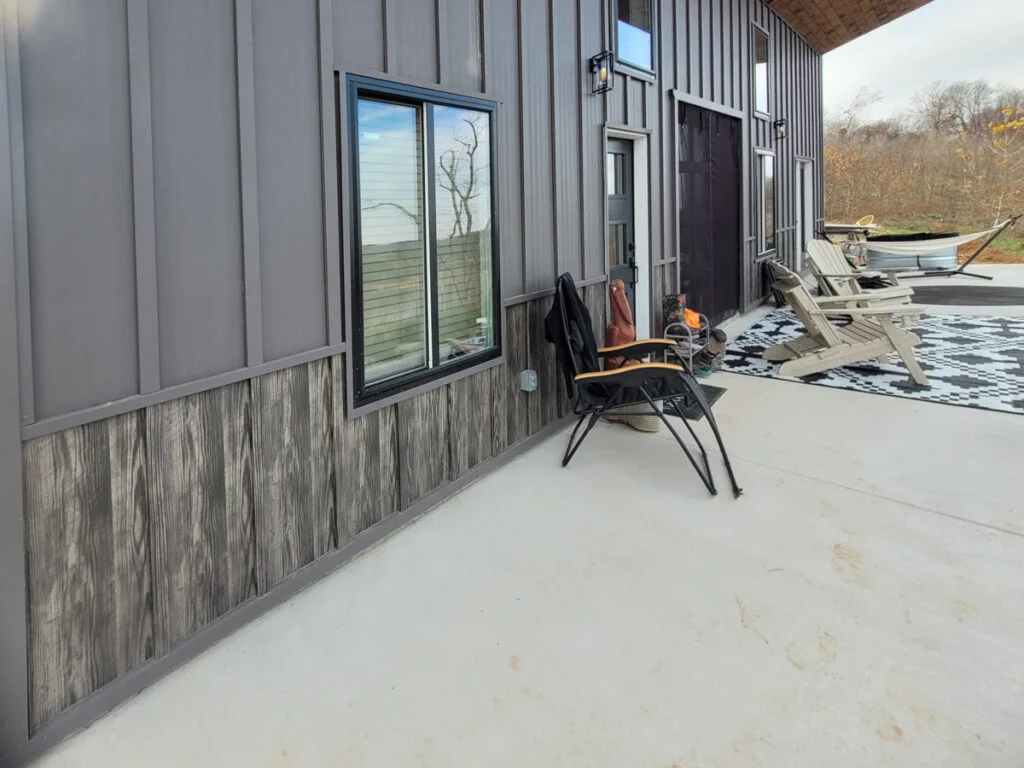
Metal siding is no longer limited to agricultural buildings. Today’s profile options range from traditional exposed-fastener panels to sleek architectural systems with concealed fasteners. Wood-look finishes have expanded design possibilities even further, offering the warmth of natural materials with the durability of steel. Metal siding can be used on entire homes, accent walls, porches, soffits, gables, shops and commercial buildings.
Energy Efficiency Considerations
Modern paint systems have evolved significantly over the years. Many are designed to improve solar reflectivity, particularly in lighter colors that help reduce heat absorption from the sun. While siding alone won’t determine a building’s energy efficiency, reflective finishes can contribute to overall performance.
Important Factors to Consider When Choosing Metal Siding
While the arguments for metal siding are strong, there are some important factors to consider when choosing metal siding over other siding types.
Upfront Costs
Metal siding often comes with a higher initial price tag than materials such as vinyl. Premium profiles, specialized finishes and wood-look products can marginally increase costs as well. However, many property owners find that reduced maintenance expenses and longer lifespans help offset the upfront investment over time.
Installation Quality
Even the highest-quality materials depend on proper installation. Metal siding performs best when installed over a straight, properly prepared substrate with appropriate moisture protection behind the panels. Some profiles are more forgiving than others, while premium systems may require greater precision to achieve the desired appearance. Choosing experienced installers who understand the specific requirements of each profile is essential.
Labor Requirements
Not all metal siding installations are created equal. Exposed-fastener panels can often be installed relatively quickly, while more architectural systems may involve additional detailing and labor. Profiles such as board-and-batten typically require extra time to achieve their finished appearance. This additional labor should be factored into project timelines and budgets.
What Goes Behind Metal Siding?
What’s behind the siding matters just as much as the siding itself. A quality weather-resistant barrier or vapor barrier plays an important role in moisture management, helping protect the building envelope over time. Equally important is the surface beneath the panels. Straight, level walls help ensure a cleaner finished appearance and proper panel alignment.
The good news is that these requirements aren’t unique to metal siding. Building a wall system correctly remains important regardless of the exterior material selected. Certain profiles may offer more flexibility than others. Signature Steel’s Signature Wave panel, for example, is designed to span effectively, making it a practical option in a variety of applications.
Choosing Your Metal Siding Profile and Style
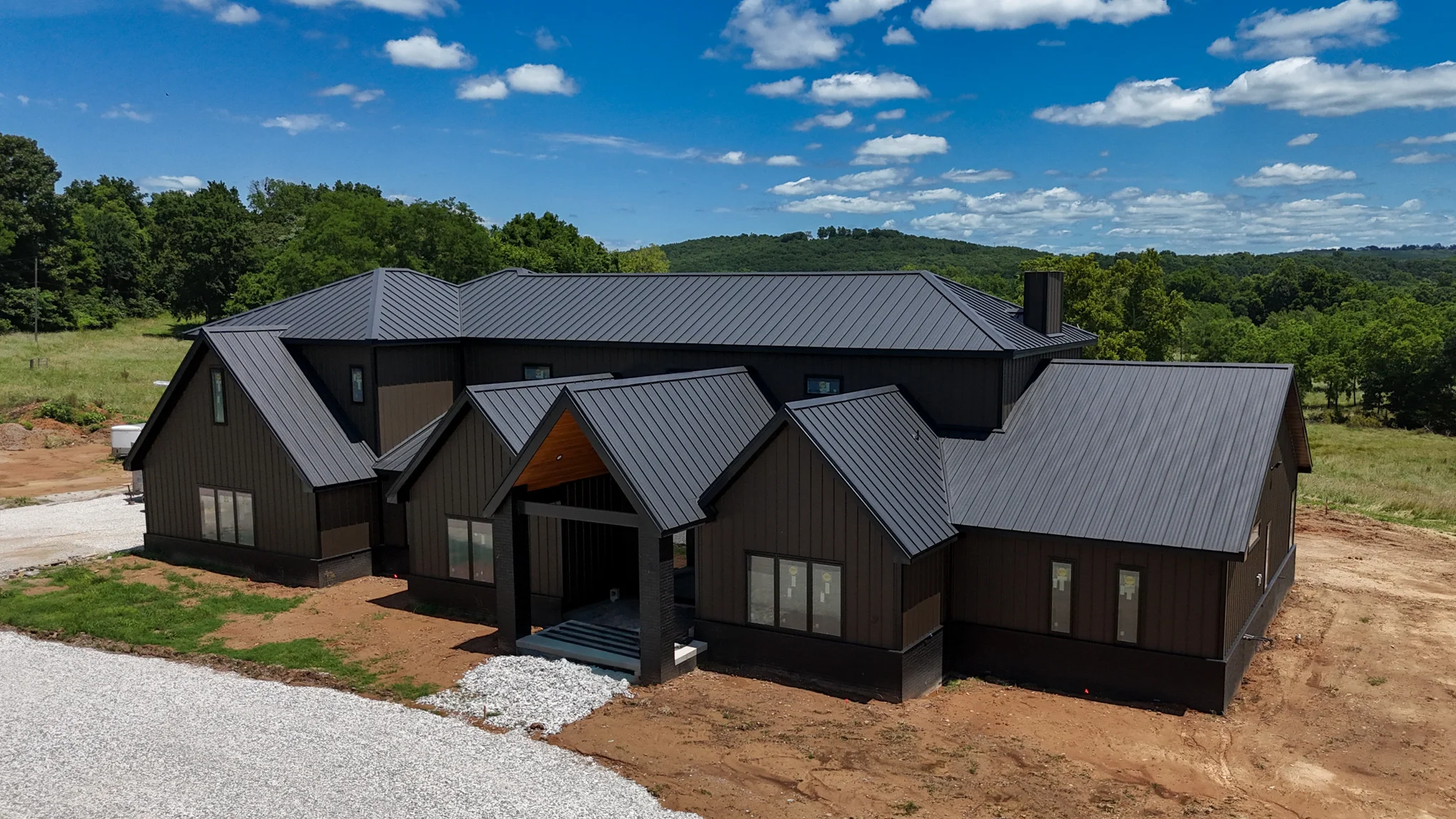
Metal siding is available in a wide variety of panel styles and colors. From traditional metal panels to faux wood metal and board-and-batten metal siding, homeowners have a lot of options to ensure their siding matches their desired aesthetic. Here is an overview of the different types of metal panels available for metal siding.
Agricultural Rib Panels
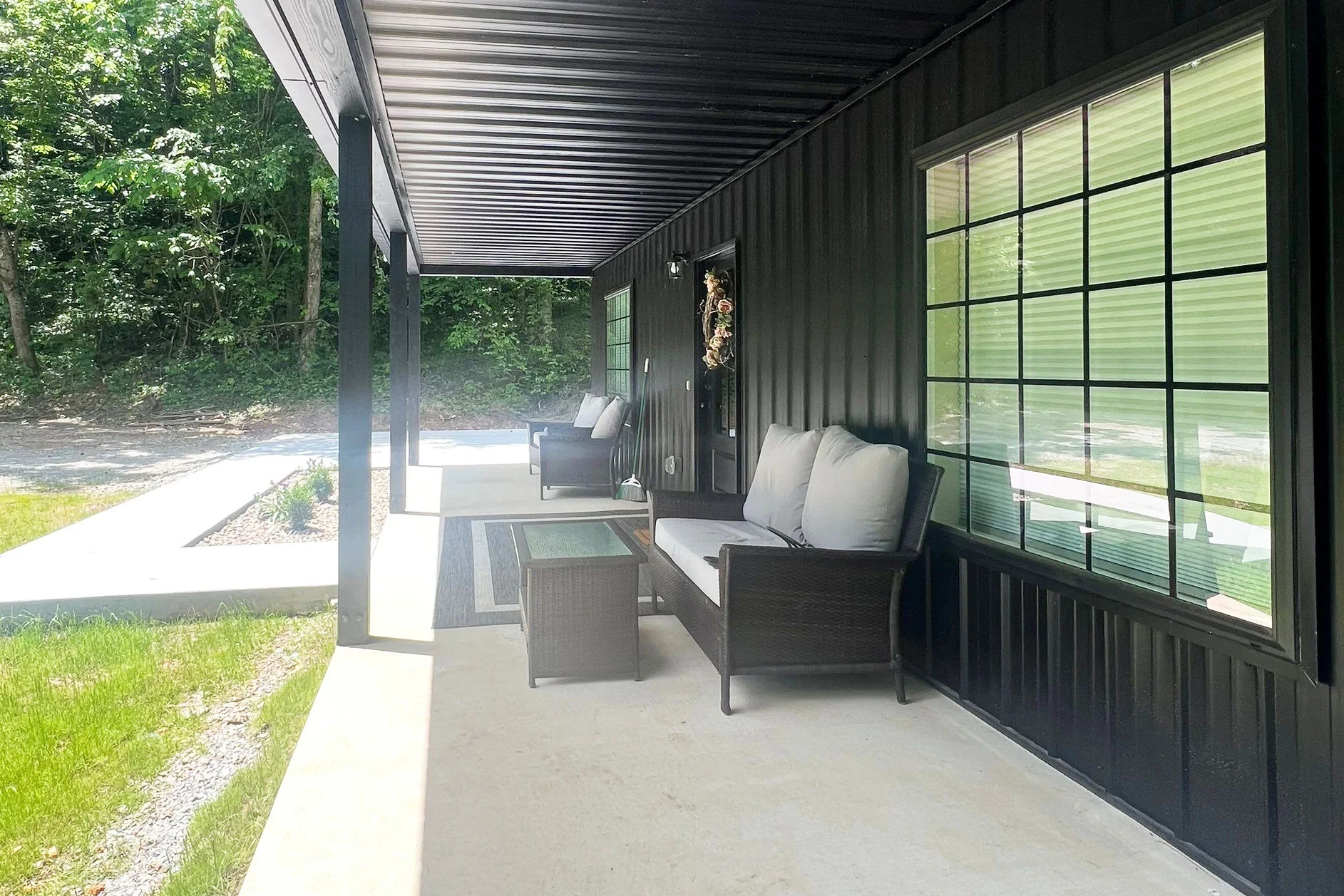
Traditional agricultural metal panels remain one of the most economical metal siding options available. These exposed-fastener systems are commonly used on barns, shops and utility structures where durability and affordability take priority over architectural aesthetics.
While some homeowners choose this panel for their barndominium project or traditional home siding, agricultural panels are most often associated with post-frame construction projects.
Signature Wave Panels
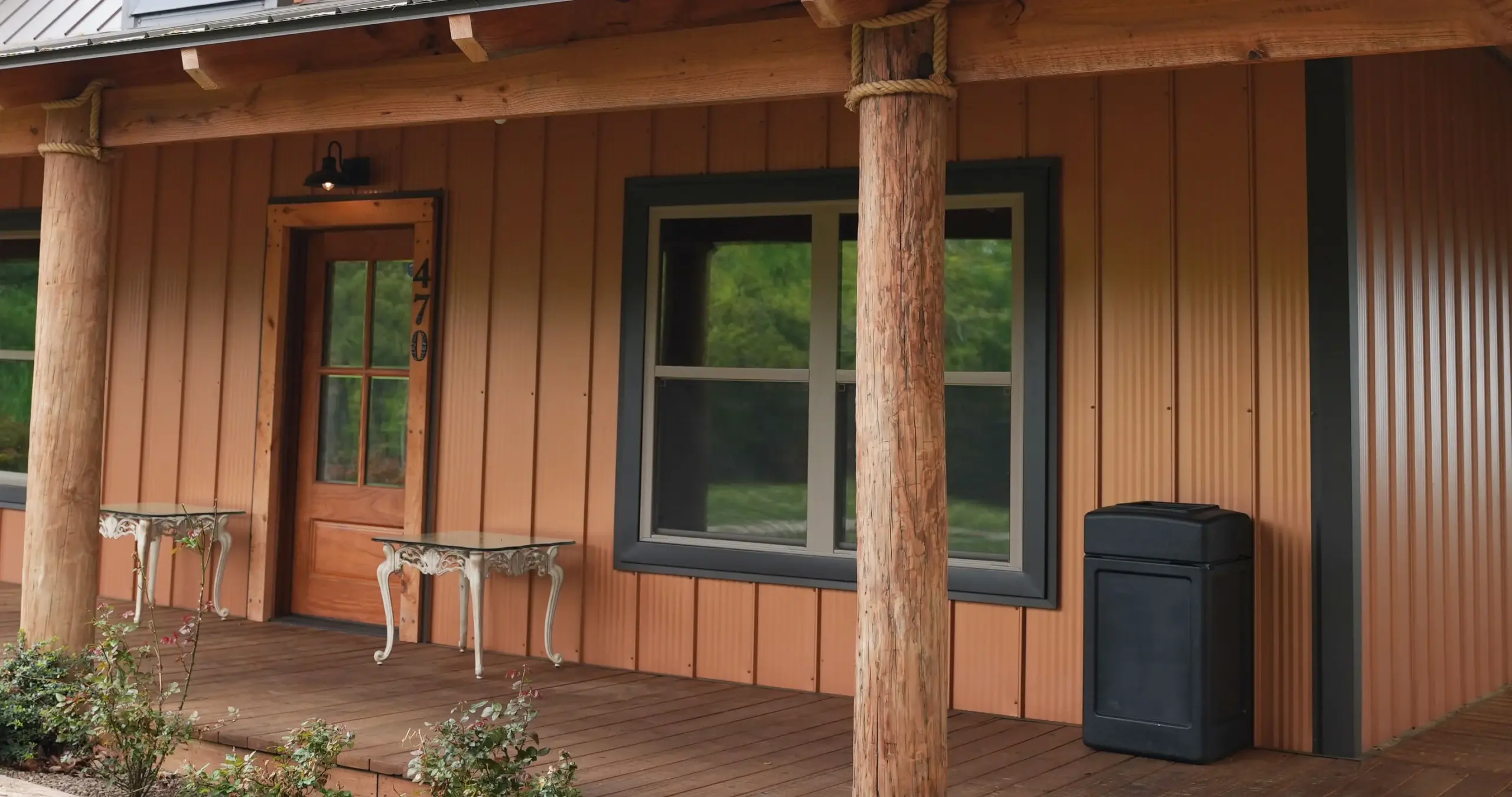
For homeowners seeking a more residential appearance than the ag panel, Signature Wave metal offers a compelling alternative.
Designed to mimic the visual appeal of standing seam systems, Signature Wave delivers a cleaner aesthetic while maintaining the practicality and efficiency of an exposed-fastener installation. The result is a product that bridges the gap between traditional agricultural panels and more expensive concealed-fastener systems. This metal panel is especially popular on barndominium projects or garages in upscale neighborhoods.
Board-and-Batten Metal Siding
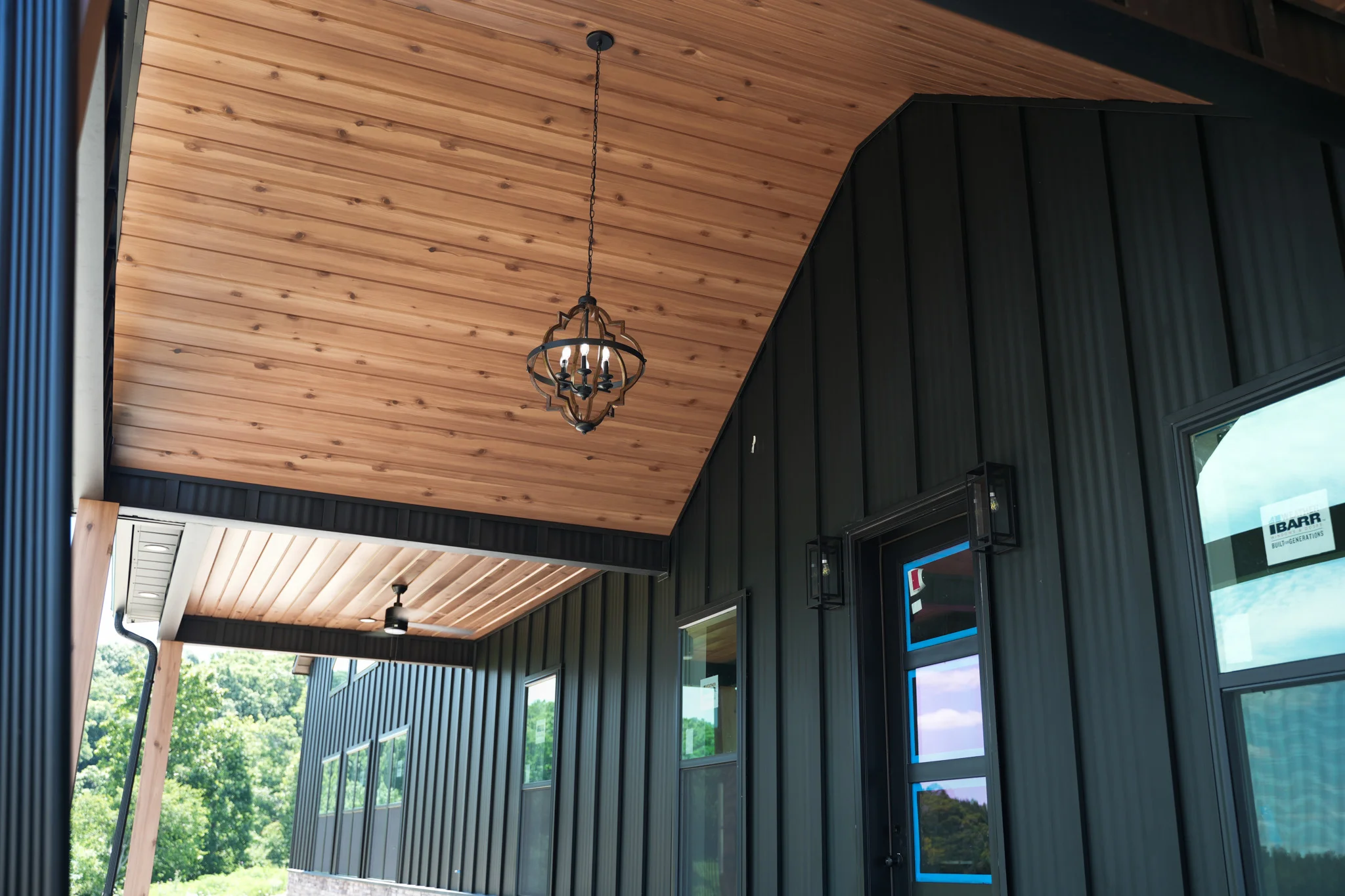
Inspired by traditional construction methods, board-and-batten metal siding offers timeless character with the benefits of steel. The battens create visual definition between panels, resulting in a refined appearance that complements farmhouse, rustic and transitional home styles. Board-and-batten systems have another practical advantage as well. If a panel is damaged, individual sections can often be accessed and replaced without disrupting the entire wall system.
Flush Panel Metal Siding
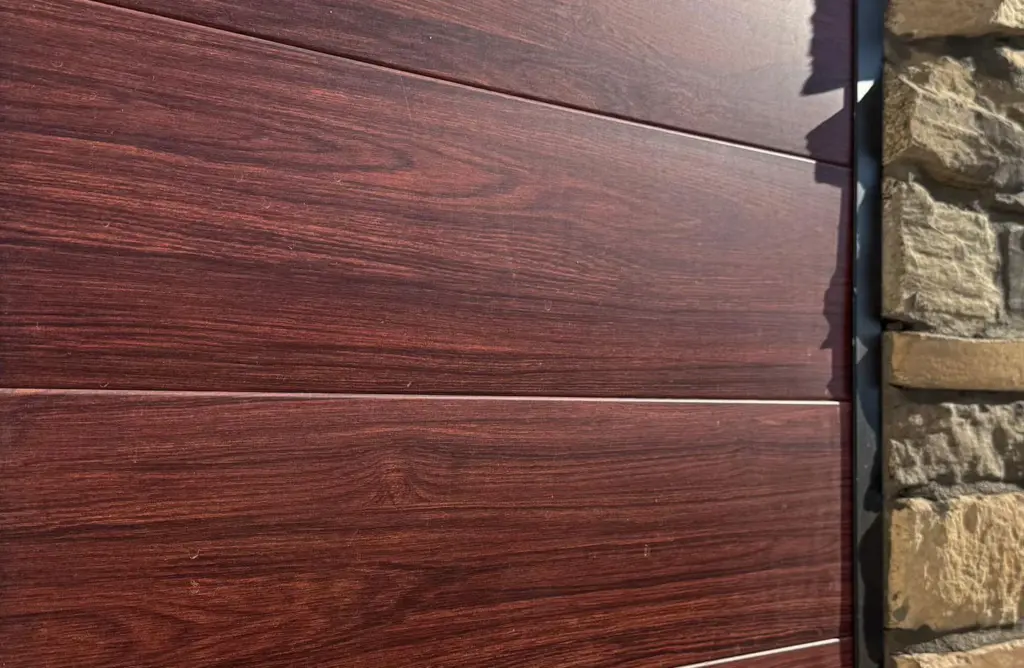
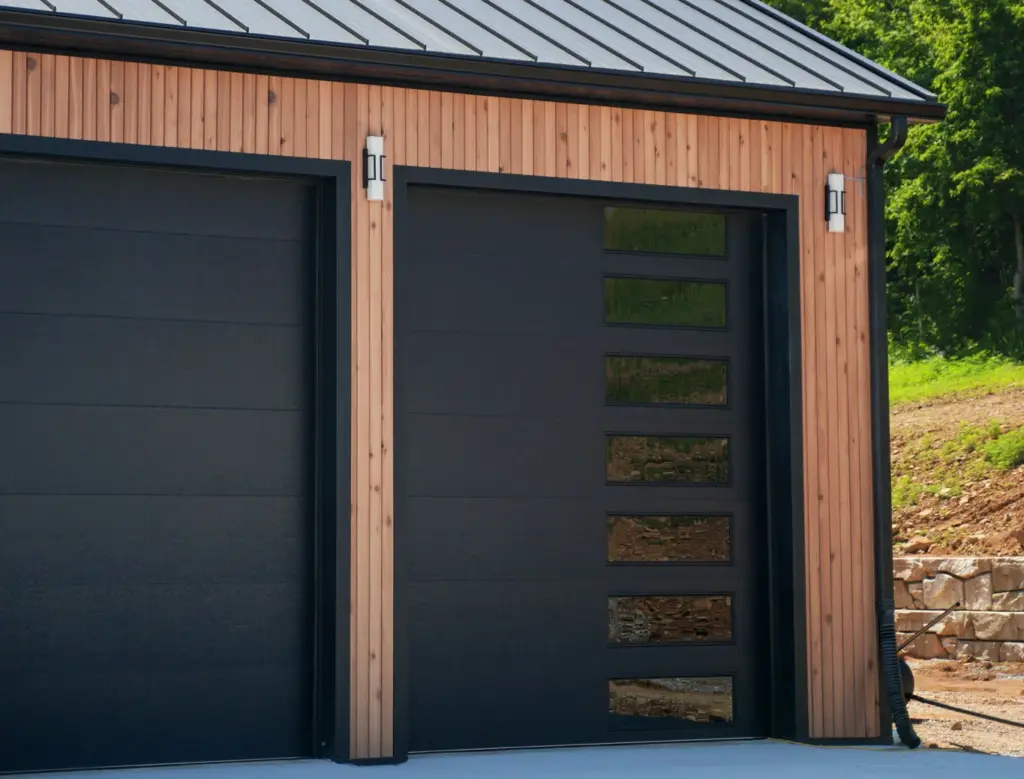
Flush panels provide one of the most contemporary looks available in metal siding. Their smooth surfaces and clean lines create a streamlined appearance that works particularly well on modern homes, commercial projects, accent walls and porch ceilings. For those seeking simplicity and architectural sophistication, flush panels are an increasingly popular choice.
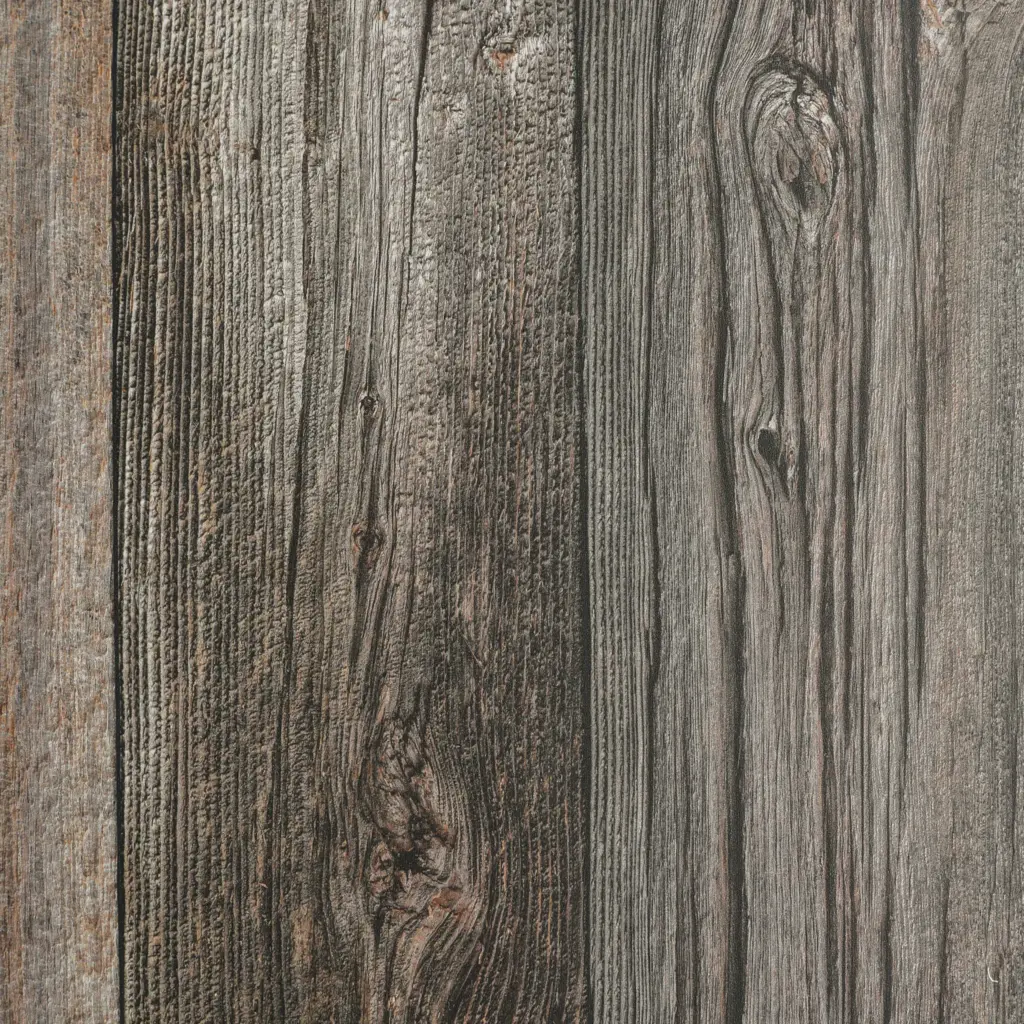
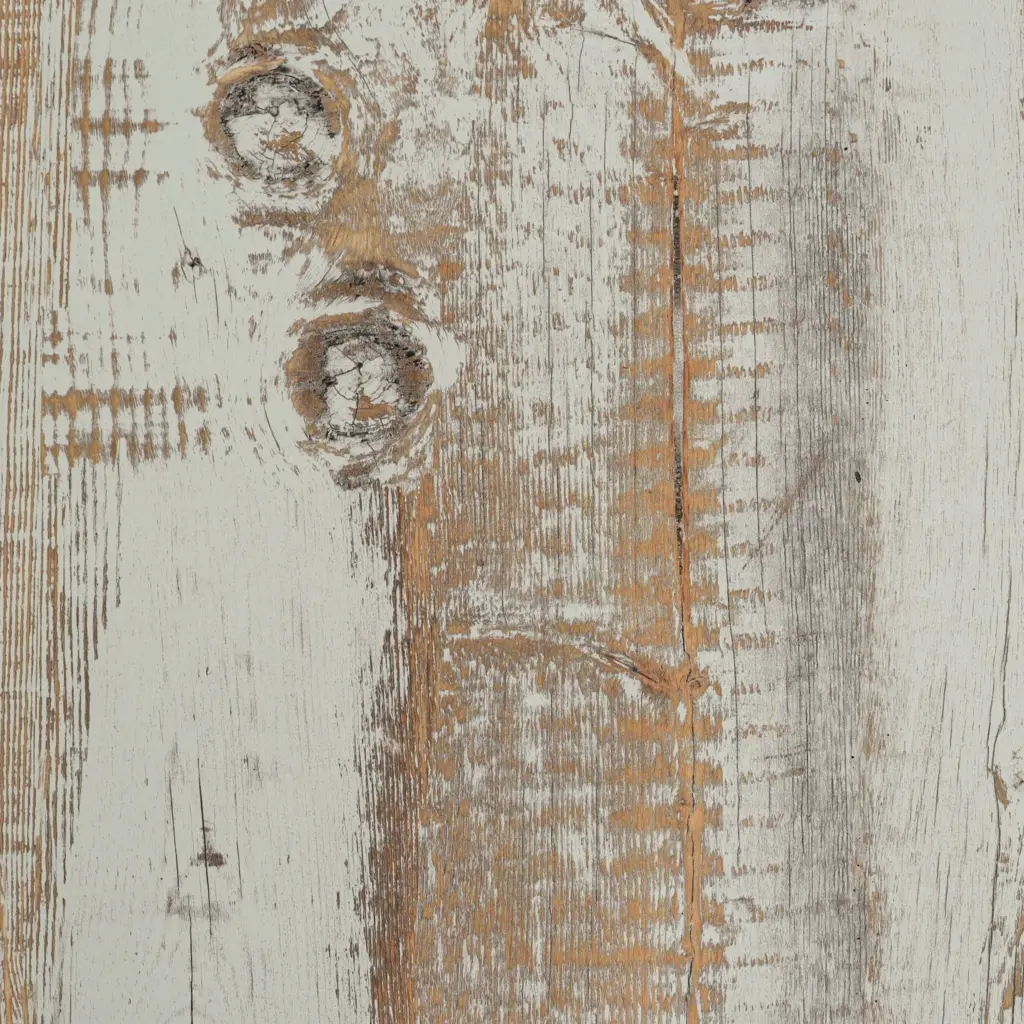
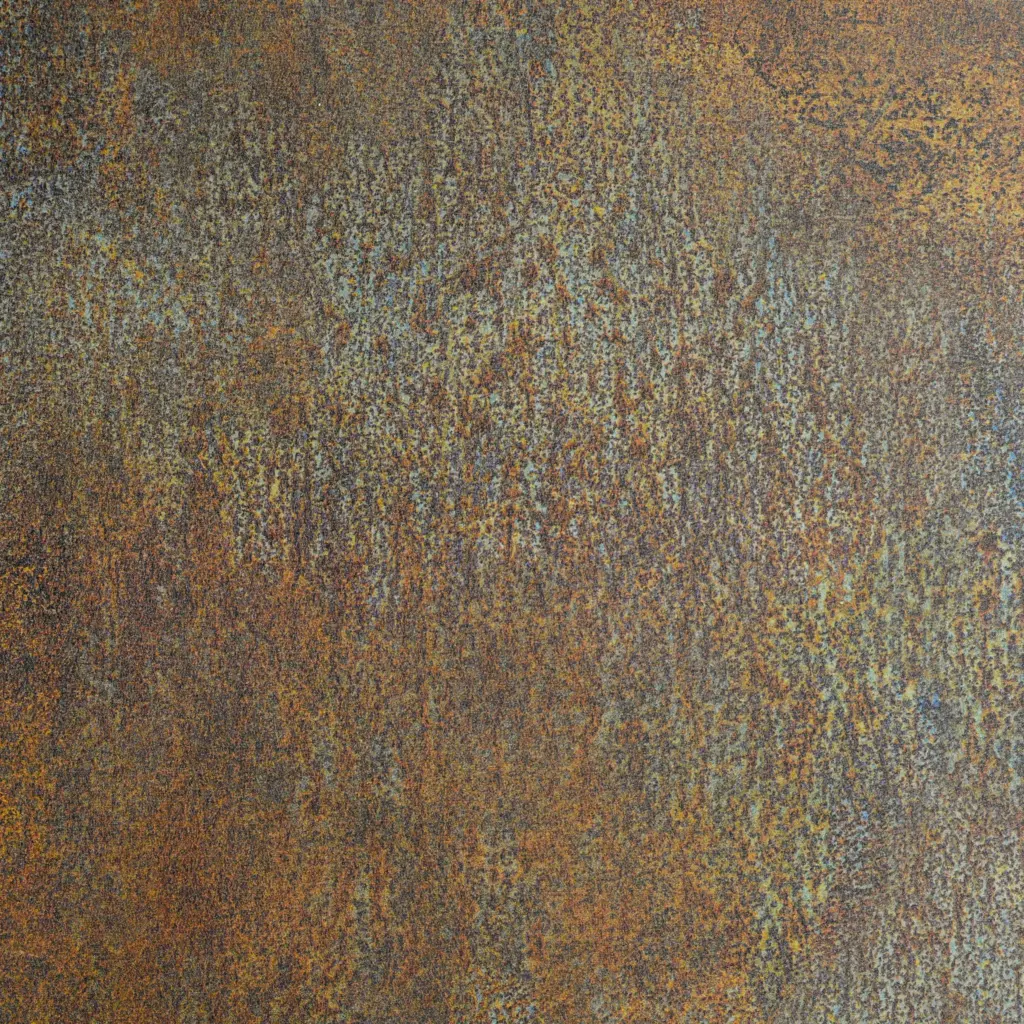
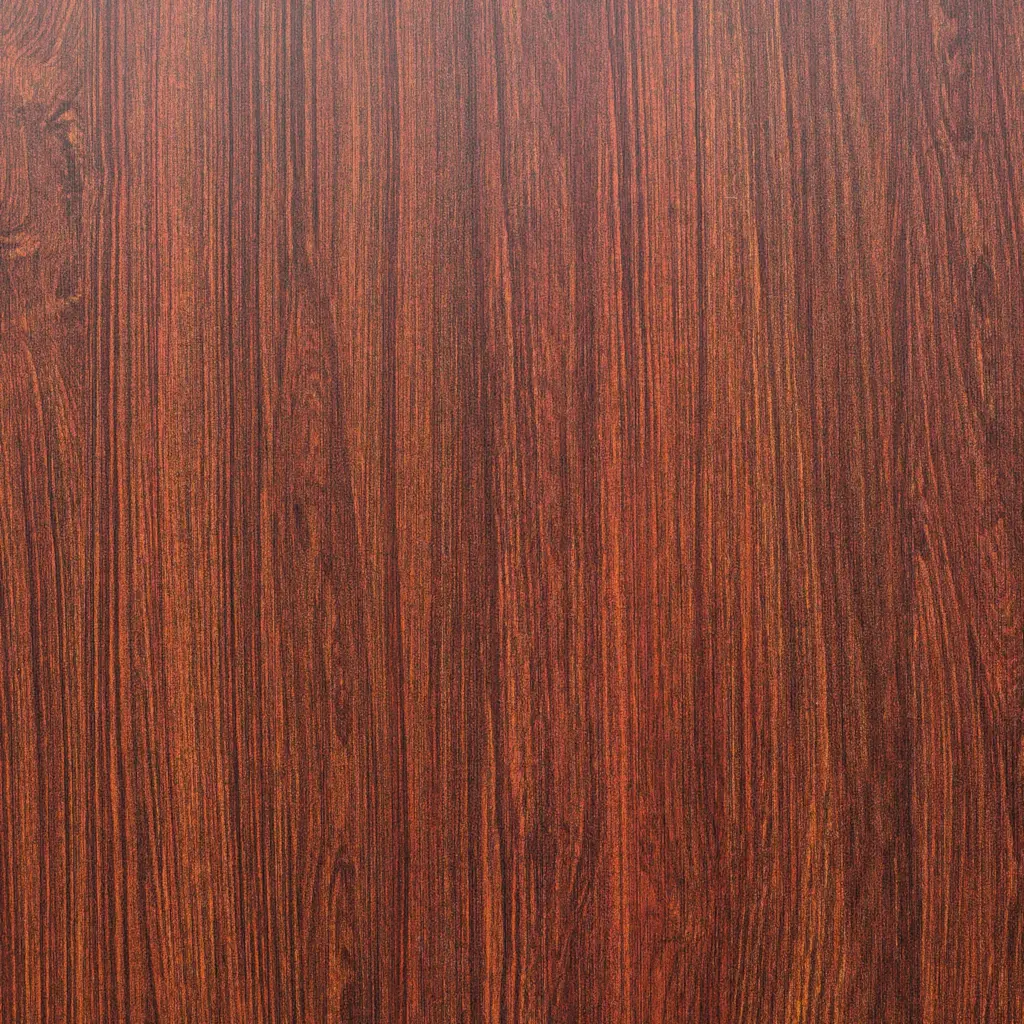
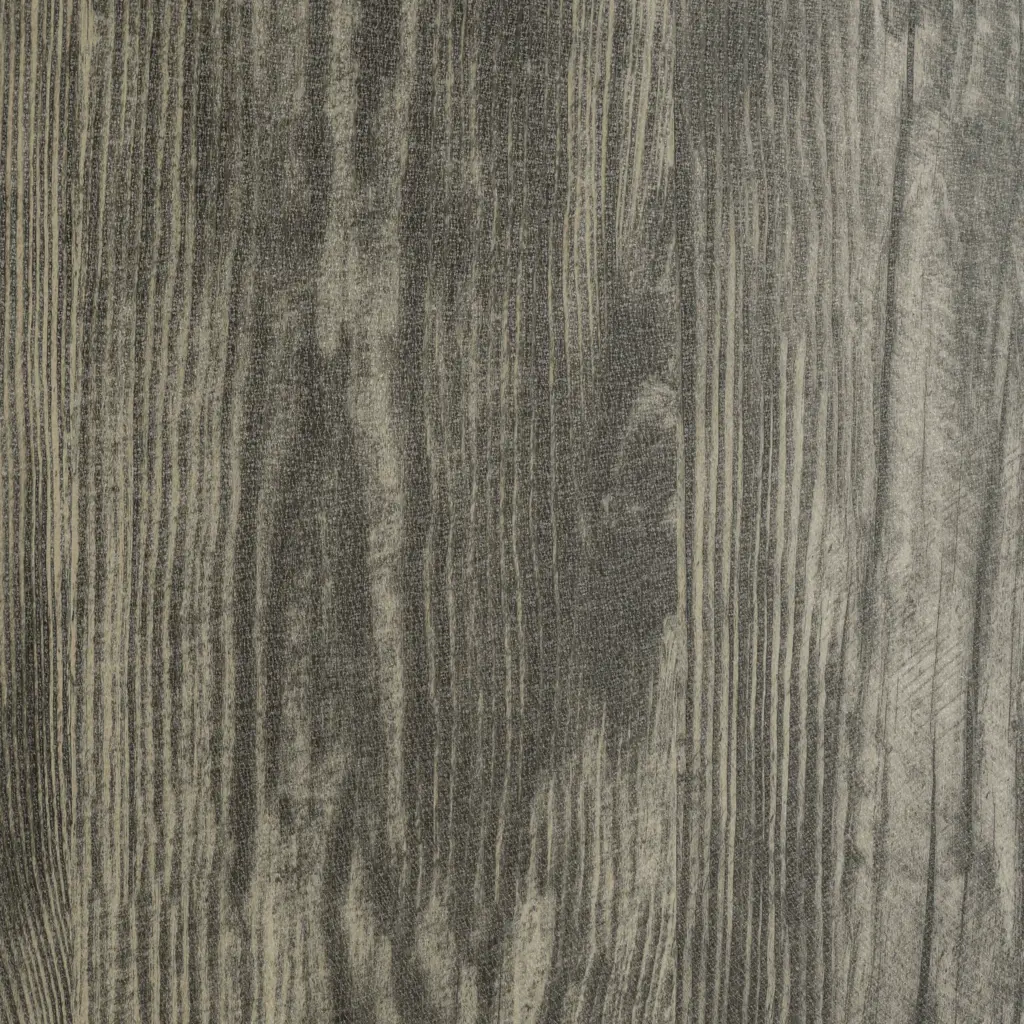
Designer Metals With Wood-Look Finishes for Metal Siding
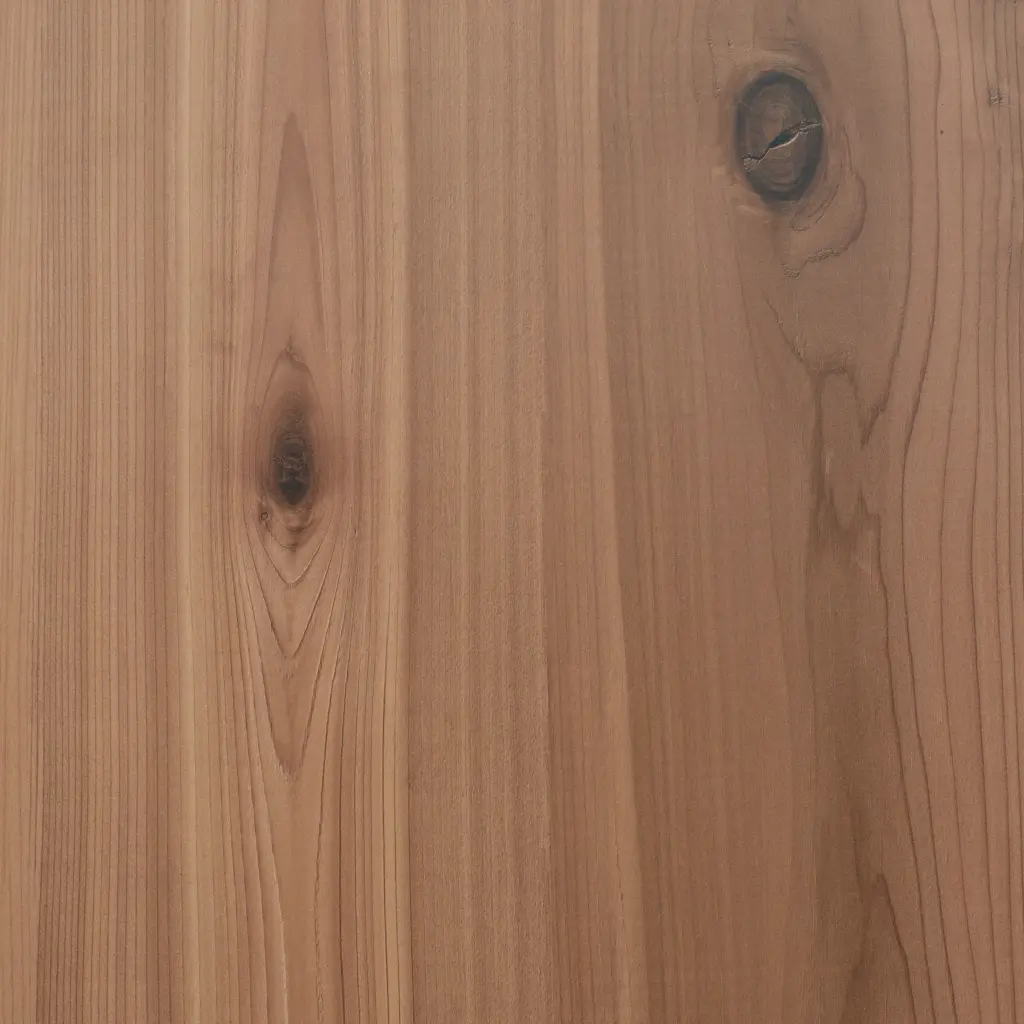
One of the biggest developments in recent years has been the rise of designer metals that provide wood-look finishes. These designer metal styles are available in most of the panel profiles discussed above. They combine the visual appeal of wood with the strength and longevity of steel. Some feature textured surfaces that enhance realism, while others, like smooth cedar, replicate a clean, natural feel
Although premium finishes can increase project costs, many homeowners appreciate the tradeoff: the warmth of wood without the ongoing maintenance traditionally associated with it.
Here are all the various types of designer metals that we carry at Signature Steel:
Metal Siding vs. Other Siding Materials
When comparing siding options, there is rarely a one-size-fits-all solution. Here is a brief overview of the pros and cons of the various siding types:
- Vinyl siding generally offers lower upfront costs but may not provide the same lifespan or premium appearance as steel.
- Wood siding delivers natural beauty but often requires frequent maintenance and refinishing.
- Fiber cement offers durability and fire resistance, but requires gentle washing occasionally and is prone to chipping.
- Metal siding occupies the middle ground in siding materials, balancing long-term durability and low maintenance but often with a greater initial investment.
Why Is Metal Siding Growing in Popularity?
The metal siding industry has evolved significantly in the last decade. Expanded color palettes, innovative profiles and realistic wood-look finishes have transformed the way homeowners and builders think about steel. Products once associated almost exclusively with agricultural buildings now appear on custom homes, commercial spaces and upscale accent applications. For many property owners, the combination of durability, design flexibility and reduced maintenance makes metal siding an attractive long-term investment.
What Customers Say About Metal Siding
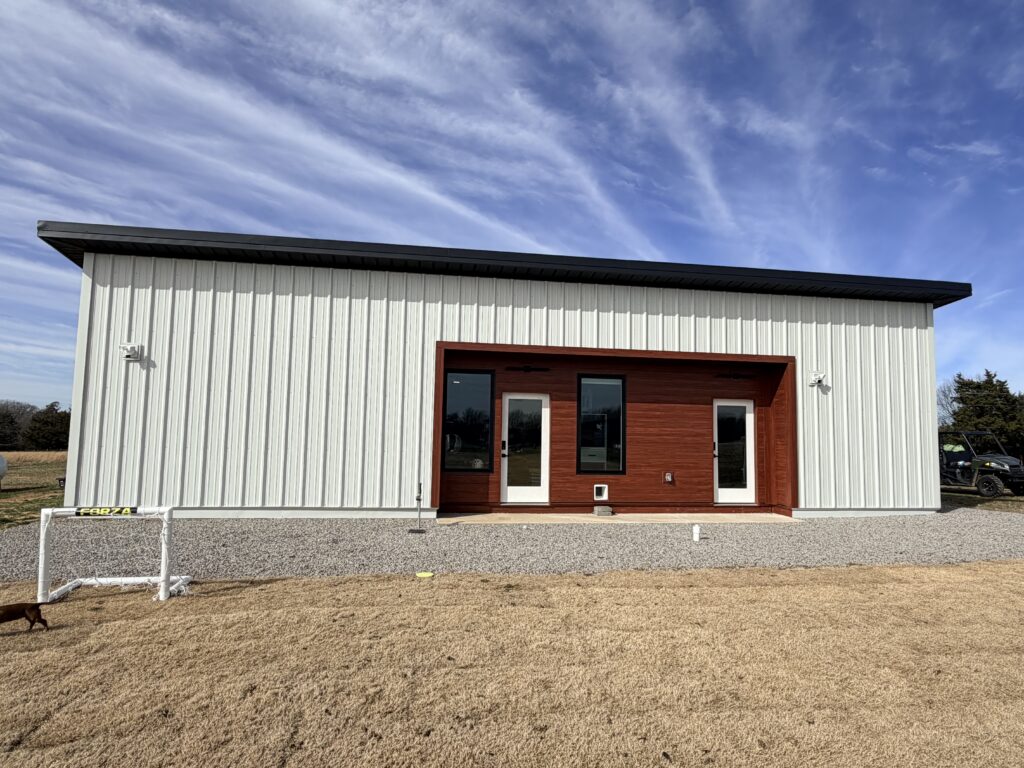
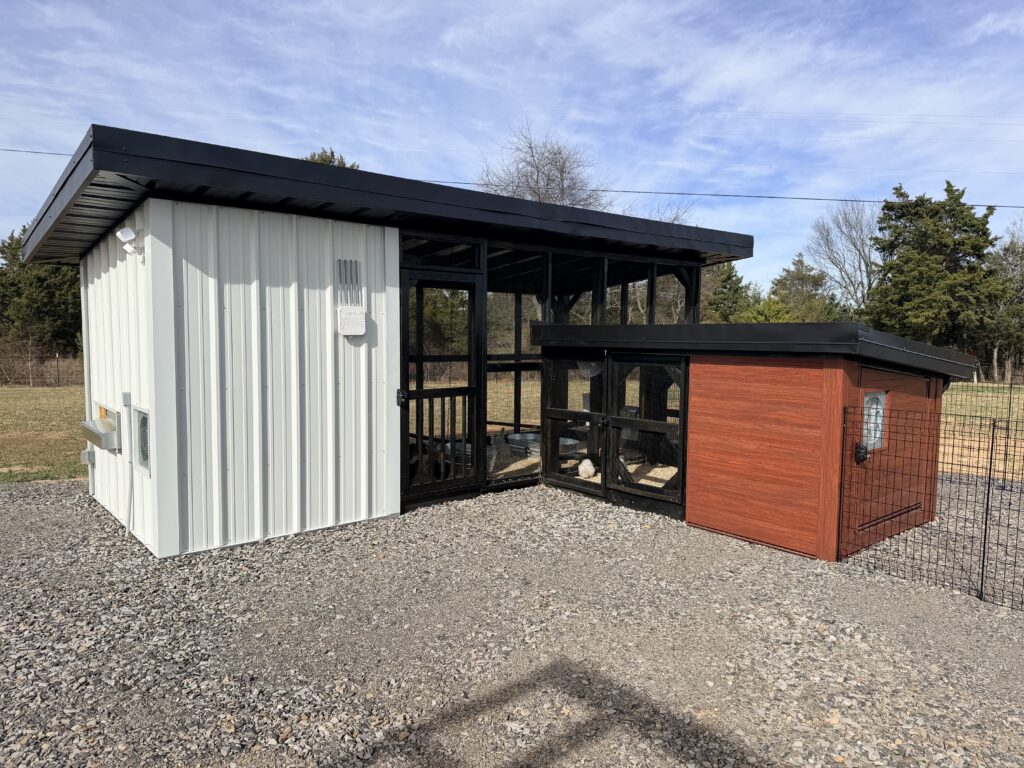
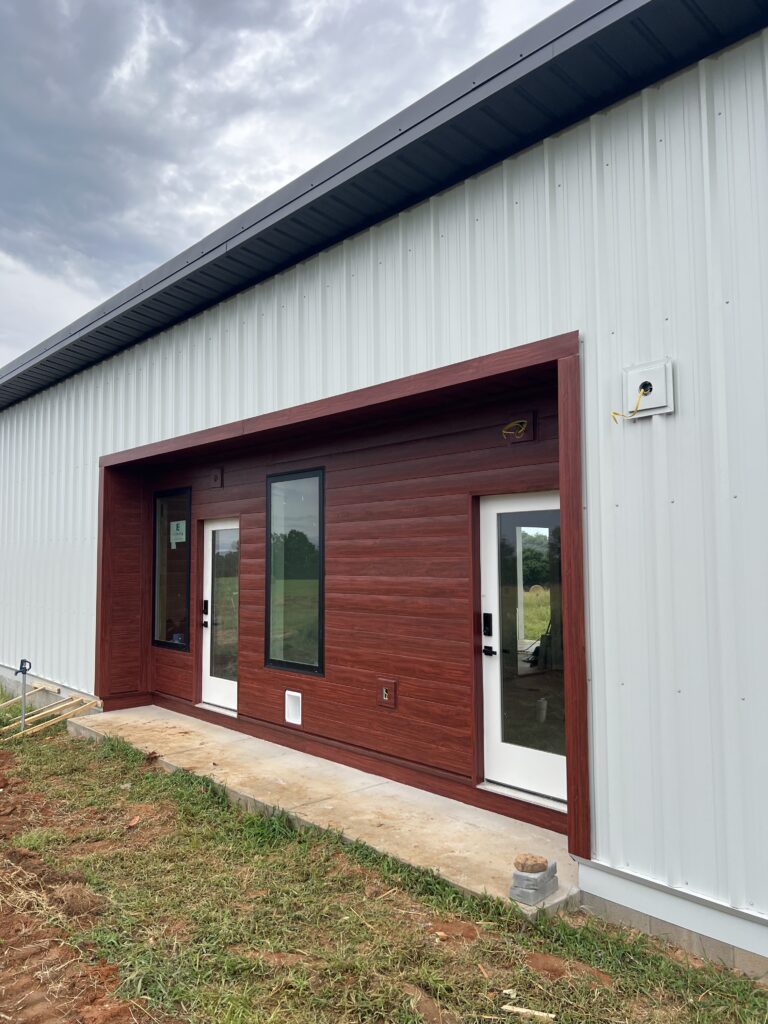
“My friends at Signature Steel have been indispensable partners for all of our buildings on our farm property! I say friends because they became that over the course of our year-long project. I’m thankful that I had Jody to help me through each step of the process and make sure I had what I needed. Any issues I faced were addressed promptly!
From designing pieces that they have never made before to the standard things that they do every day, the service and quality were unbeatable. Big shout out to everyone that worked on the production side (who would literally greet me outside and already be carrying my products to the truck when I would arrive) and Aaron who always had my back when Jody was not available. I highly recommend Signature Steel for their service and quality of product!”
– Raegon Barnes, Signature Steel Customer
The Signature Steel Difference
At Signature Steel, quality and service remain central to everything we do. From economical agricultural panels to premium architectural profiles, we focus on providing products that deliver both lasting performance and visual appeal. We also understand that timelines matter, which is why many products are available with turnaround times as short as 24 to 48 hours.
Whether you’re planning a post-frame building, selecting materials for a custom home or adding distinctive accents to an existing structure, we have experts on hand to help you select a steel solution for your job. We’d love to talk with you about your next metal siding project.