Condensation Behind Metal Roofing and Siding and How to Stop it
The risks of trapped moisture and how to prevent it
A well-made metal structure adds beauty, function and value to your life. When well cared for, metal roofing and siding can last a lifetime. Because of this long-term value, it’s an investment worth protecting.
But whether it be a metal shop, home, or simply metal features on another structure, many owners are left unsure of the best preventative measures to take. Our team at Signature Steel is here to help.
Keep reading as we explore the impact of condensation behind your metal roofing and siding and how you can stop it, protecting your structure for years to come.
How does condensation get trapped beneath metal roofing or siding?
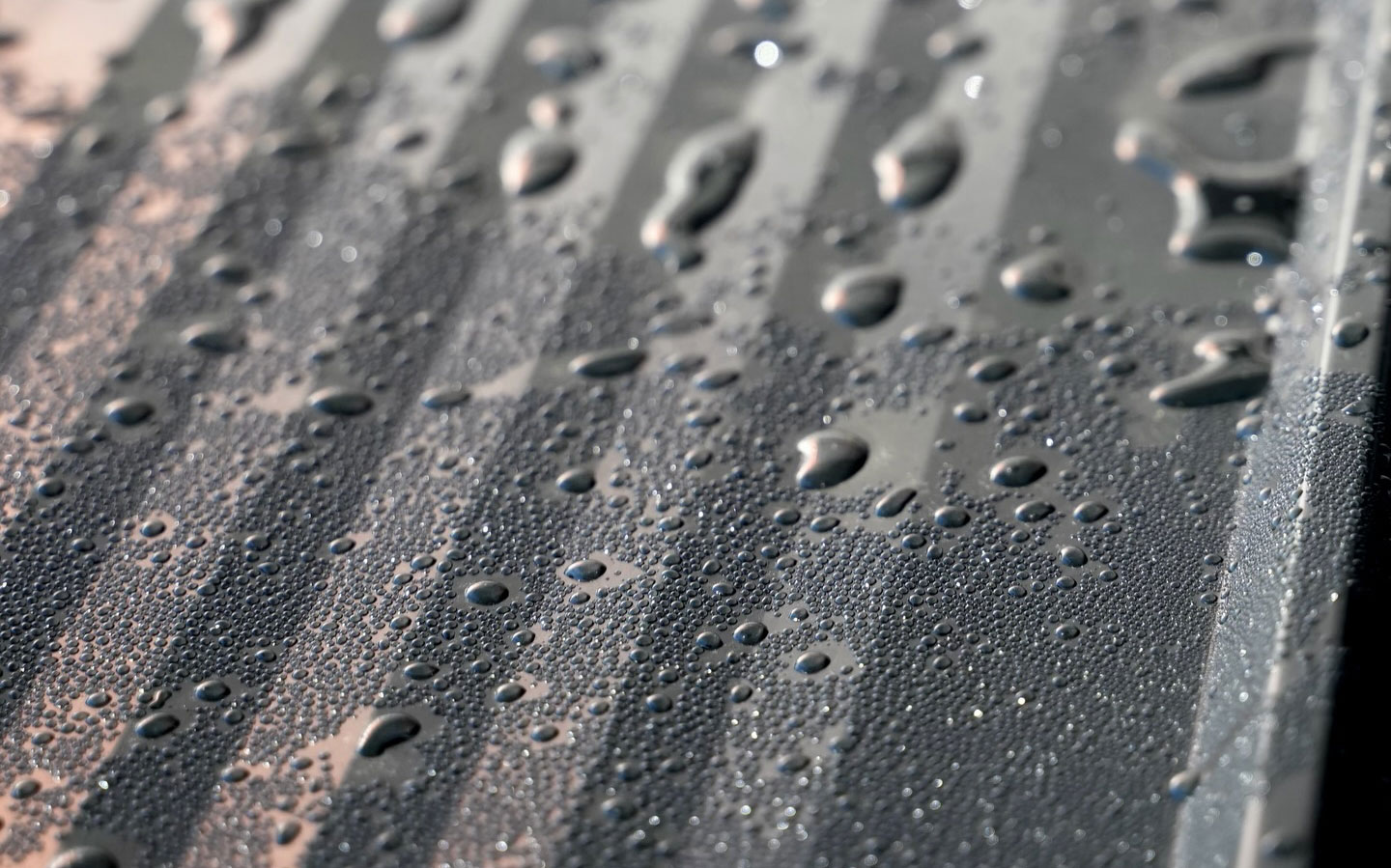
Condensation occurs when warm, moist air comes into contact with a cooler surface. Just like water droplets form on the outside of a cold glass on a hot day, moisture can collect on the underside of metal roofing or siding when temperatures and humidity levels create the right conditions.
This is particularly common during seasonal temperature changes, especially when warm days are followed by cool nights. However, condensation can occur year-round depending on the climate, building conditions and humidity levels.
Several factors can contribute to condensation problems, including:
- Poor ventilation: Without adequate airflow, humid air can accumulate inside a building or within enclosed roof and wall assemblies.
- Inadequate insulation: Missing or improperly installed insulation can allow warm, humid air to reach cold metal surfaces.
- Improper vapor and air control: Gaps in air barriers or incorrectly placed vapor retarders can allow moisture to enter areas where it becomes trapped.
- High indoor humidity: Activities like washing vehicles, running equipment, cooking or simply occupying a building can introduce additional moisture into the air.
- Moisture from the ground: Buildings with exposed dirt floors or inadequate ground moisture barriers may experience increased humidity.
How does trapped condensation affect a structure?
One of the greatest advantages of metal roofing and siding is durability. However, even high-quality metal panels can be affected by prolonged exposure to trapped moisture, particularly when protective coatings or installation details are compromised. Over time, condensation can contribute to several issues.
Rust and corrosion: Persistent moisture can accelerate corrosion on vulnerable metal surfaces, exposed edges, fasteners and other components. While properly coated steel is designed to resist corrosion, standing or trapped moisture can shorten its service life.
Damage to underlying materials: Moisture doesn’t just affect the metal itself. Water that collects behind panels can soak into wood framing, sheathing and other building materials, potentially leading to rot or deterioration.
Mold and mildew: Damp environments create conditions where mold and mildew can develop on susceptible materials, particularly when moisture is unable to dry.
Reduced insulation performance: Some insulation materials lose effectiveness when wet. Moisture can also contribute to deterioration or damage that requires insulation to be replaced.
Interior water damage: In severe cases, condensation may drip from the underside of roofing panels or collect inside walls, damaging ceilings, interior finishes and stored belongings.
These issues can develop gradually, making them difficult to notice until significant damage has occurred. That’s why proper installation and moisture management are so important from the beginning.
What steps can owners take to prevent trapped moisture?
The good news is that condensation problems are often preventable. Whether you’re planning a new metal building or maintaining an existing structure, a few important considerations can help protect your investment.
1. Start with proper insulation
Insulation helps manage temperature differences between indoor air and exterior metal surfaces, reducing the conditions that lead to condensation.
The right insulation system depends on how the building will be used. A climate-controlled home, for example, has different insulation needs than an unheated agricultural building or storage shed.
It’s also important to consider how insulation is installed. Gaps, compression or improperly sealed areas can allow humid air to reach cooler surfaces, even when insulation is present.
2. Prioritize ventilation
Proper ventilation helps manage moisture by allowing humid air to escape and, when outdoor conditions are favorable, encouraging drier air to circulate.
For metal roofing, ventilation strategies may include ridge vents, soffit vents or other systems designed for the building’s roof assembly.
Wall assemblies may also benefit from properly designed drainage and ventilation spaces that allow incidental moisture to escape.
Keep in mind that ventilation needs vary by building type. Adding vents without considering insulation, air sealing and humidity control can sometimes create additional problems.
3. Use appropriate moisture barriers
Moisture barriers are another important part of protecting metal roofing and siding. Depending on the building design, these may include water-resistive barriers behind siding, underlayment beneath roofing or vapor retarders within insulated assemblies.
Each serves a different purpose. Water-resistive barriers help protect underlying materials from water intrusion, while vapor retarders help control the movement of water vapor through a building assembly.
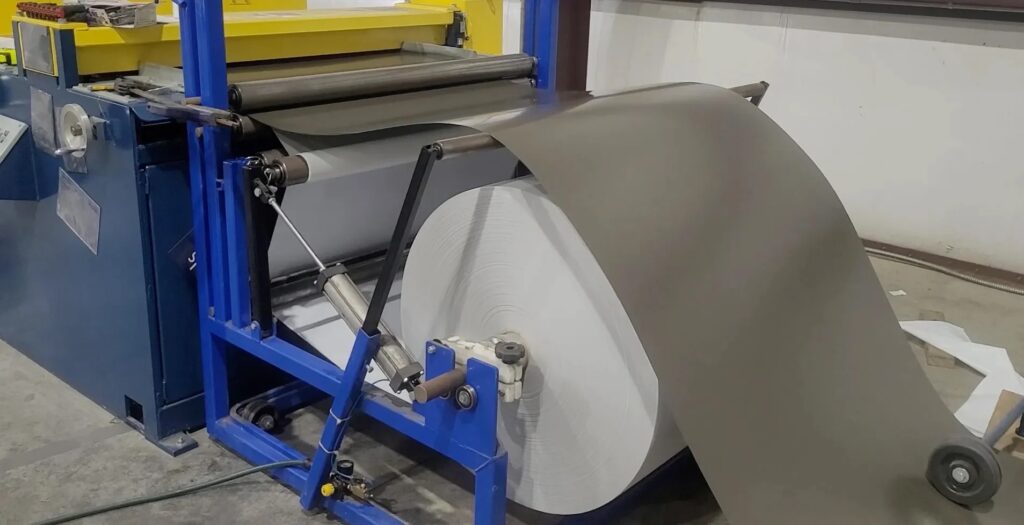
Here at Signature Steel we offer CondenStop® Moisture Barrier. This is an effective solution for preventing condensation damage underneath metal. CondenStop® is made from a polyester non-woven fleece that has thermoplastic bound to it, creating a unique product with high moisture absorbing properties. This fabric is applied during our metal rolling process, saving you time during installation.
Proper placement of moisture barriers matters. An incorrectly installed barrier can trap moisture rather than prevent it, so it’s important to choose materials and installation methods suited to your climate and building design.
4. Control indoor humidity
Sometimes, the best way to prevent condensation is to address the source of the moisture. For enclosed or climate-controlled buildings, maintaining appropriate indoor humidity can make a significant difference.
Consider using exhaust fans in moisture-producing areas, installing a dehumidifier when necessary and ensuring that ground moisture is properly controlled.
Even simple practices, such as addressing plumbing leaks promptly and avoiding unnecessary moisture buildup, can help protect your structure.
5. Schedule regular inspections
Routine maintenance provides an opportunity to identify potential moisture problems before they become costly repairs.
You can even do these checks yourself. Look for signs of rust, water stains, damp insulation, loose fasteners or deteriorating sealants. Pay particular attention to roof penetrations, flashing, panel transitions and areas where water may collect.
What if damage already exists?
If you’ve already noticed moisture or damage behind your metal roofing or siding, the first step is identifying the source.
Although condensation and leaks can produce similar symptoms, they require different solutions. Moisture may be caused by temperature differences, poor ventilation, inadequate air sealing or water entering through damaged flashing or other openings.
Once the source is identified, it’s important to correct the underlying issue before making repairs.
Depending on the extent of the damage, repairs may include replacing wet insulation, addressing mold or deteriorated framing, improving ventilation or replacing damaged metal panels.
Minor surface corrosion may sometimes be addressed with appropriate cleaning and protective treatments, while more extensive corrosion may require replacement.
If moisture problems are widespread or the source is unclear, consult a qualified roofing or building professional. Simply covering damaged materials or installing new panels without correcting the moisture problem can allow the same issues to return.
Protect Your Investment With Signature Steel
Metal roofing and siding offer exceptional durability, versatility and long-term value. With the right materials, proper installation and ongoing maintenance, you can enjoy those benefits for decades.
At Signature Steel, we’re committed to helping customers make informed decisions about their metal roofing and metal siding projects. From selecting the right panels to understanding the components that help protect your structure, our team is here to help.
Planning a new project or have questions about your existing metal roofing or siding? Contact Signature Steel to learn more about our products and find the right solution for your needs.